
The Science Behind Christmas: What Makes the Season Smell and Feel Like Christmas
Christmas is a season full of joy and beloved traditions , but have you ever stopped to think about the science behind it all? From the chemistry of Christmas trees to the physics of Santa’s sleigh, there’s a fascinating world of science at work during the festive season. Whether you’re a science enthusiast, enjoy a bit of quirky scientific storytelling, or are just curious, this blog will add a whole new layer to your celebrations.
Why Your Christmas Tree Smells So Good - Chemistree
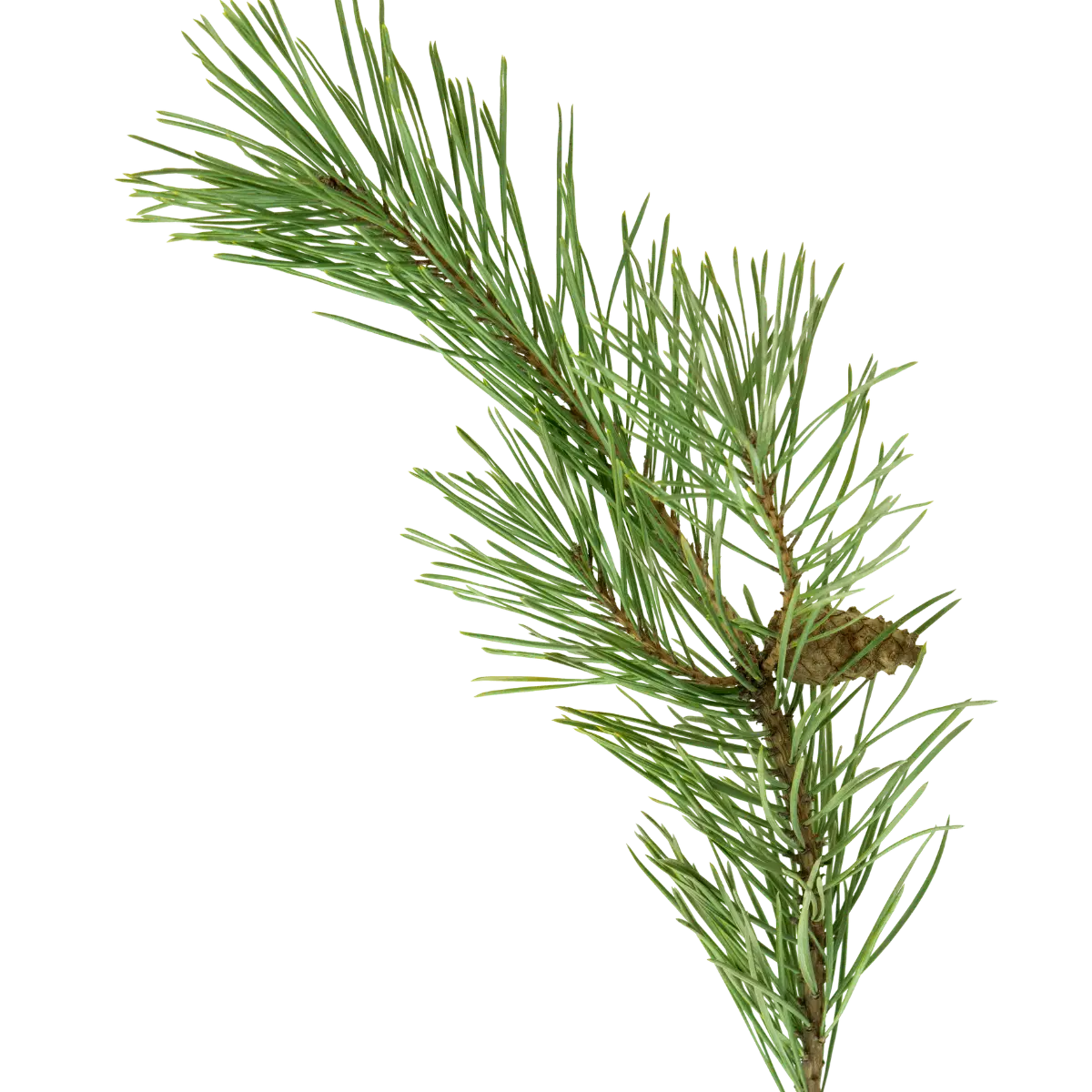
The iconic scent of a Christmas tree comes from compounds like alpha‑pinene, a terpene found in pine trees. These volatile organic compounds (VOCs) are released when the tree is fresh, creating the classic “Christmas smell.” Understanding the science behind Christmas smells can even help you keep your home smelling fresh longer!
The iconic scent of a Christmas tree comes from compounds like alpha‑pinene, a terpene found in pine trees. These volatile organic compounds (VOCs) are released when the tree is fresh, creating the classic “Christmas smell.” Understanding the science behind Christmas smells can even help you keep your home smelling fresh longer!
Festive Foods and Their Science
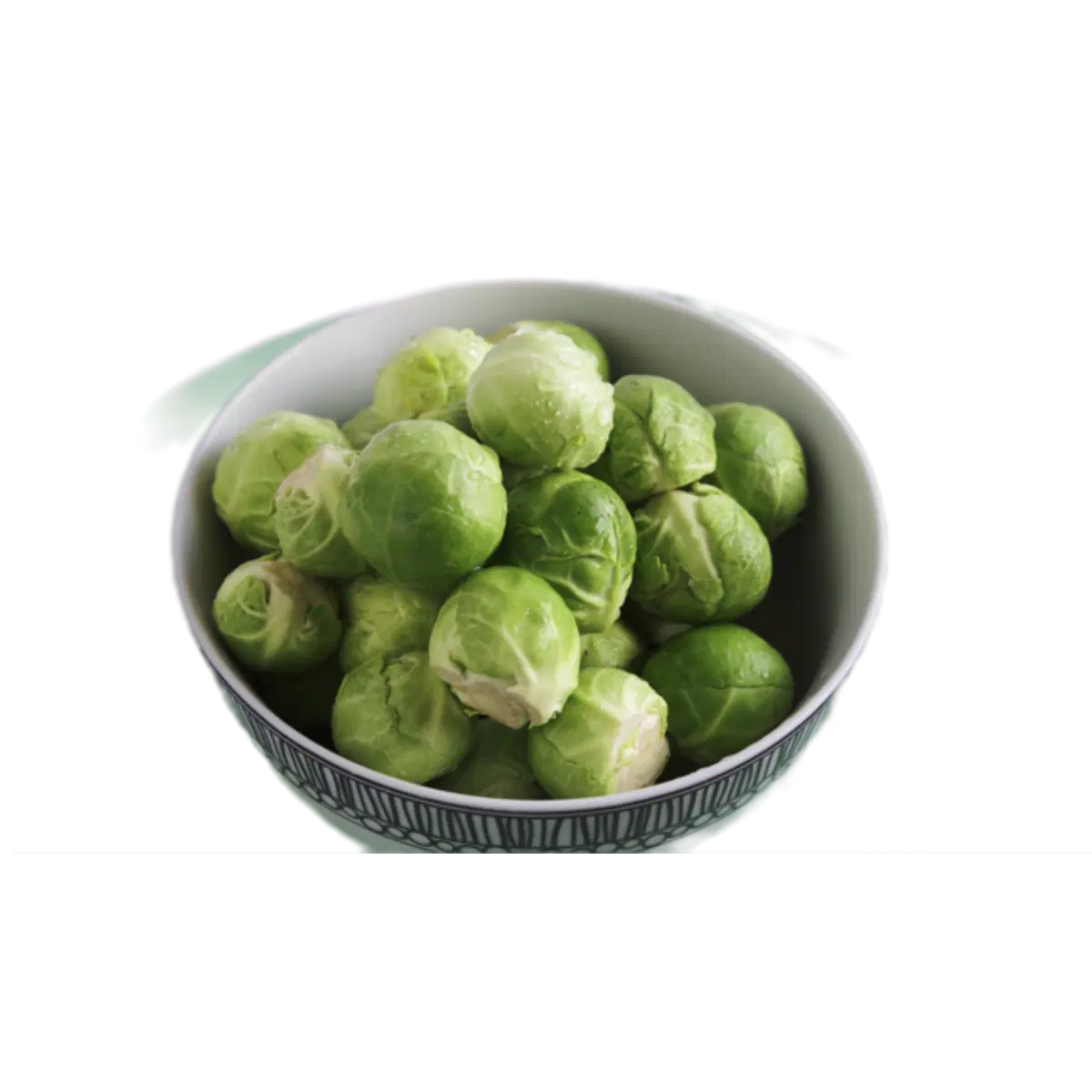
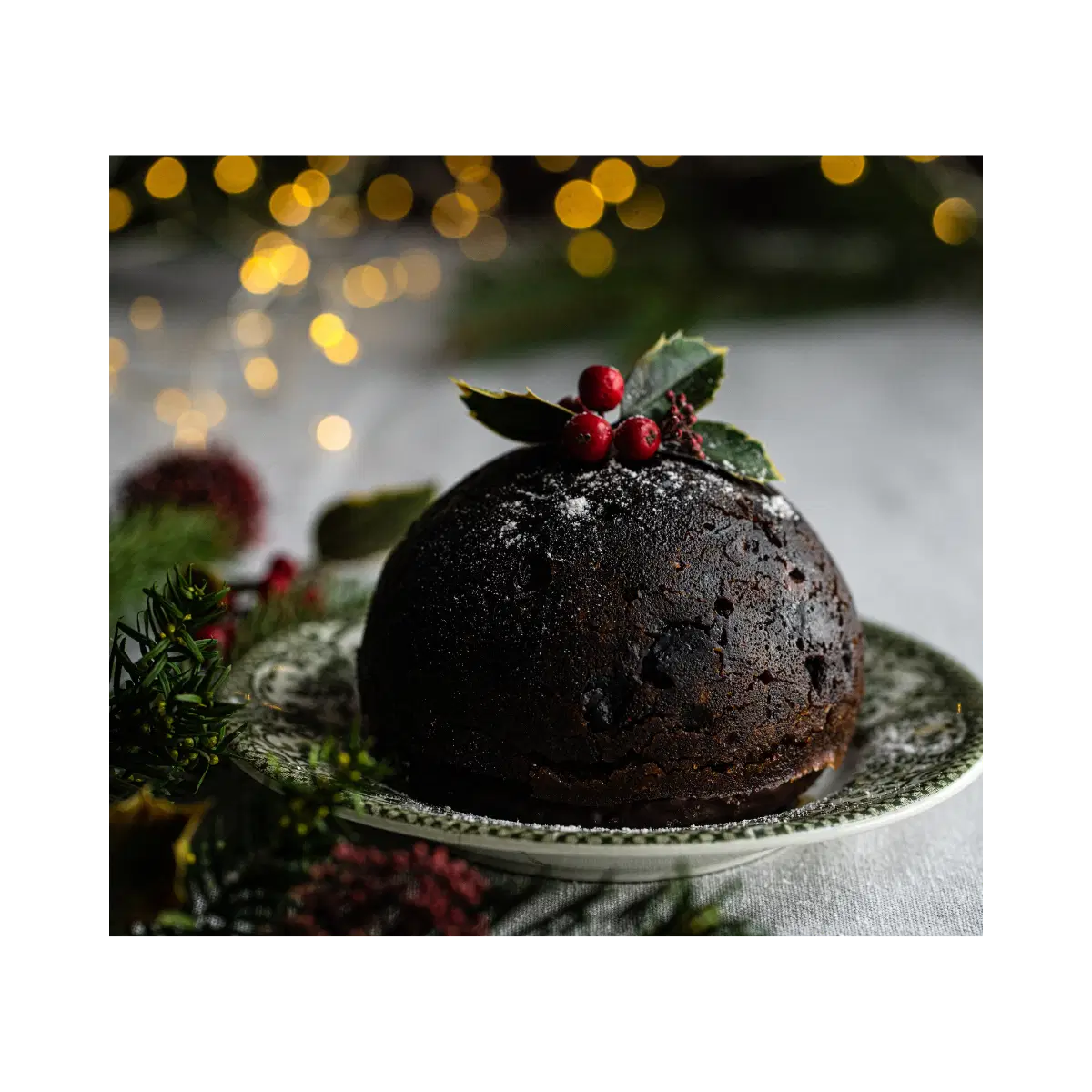
From Christmas pudding to Brussels sprouts, there’s plenty of chemistry in your holiday feast:
-
Maillard reaction: Ever heard of the Maillard reaction? This occurs when the carbonyl group of a sugar reacts with an amino group on an amino acid. This reaction creates melanoidins, which are compounds that give the Christmas pudding its colour and flavour.
-
Genetics and taste: Did you know your taste for sprouts might be genetic? Some people carry a gene that makes bitter foods taste even more intense. So whether you adore them or can’t stand them, your love (or dislike) of sprouts could literally be in your DNA.
Learning the science behind Christmas foods helps you understand why some flavours are loved and others… not so much.
The Maths of Decorating Your Christmas Tree - Treegonometry
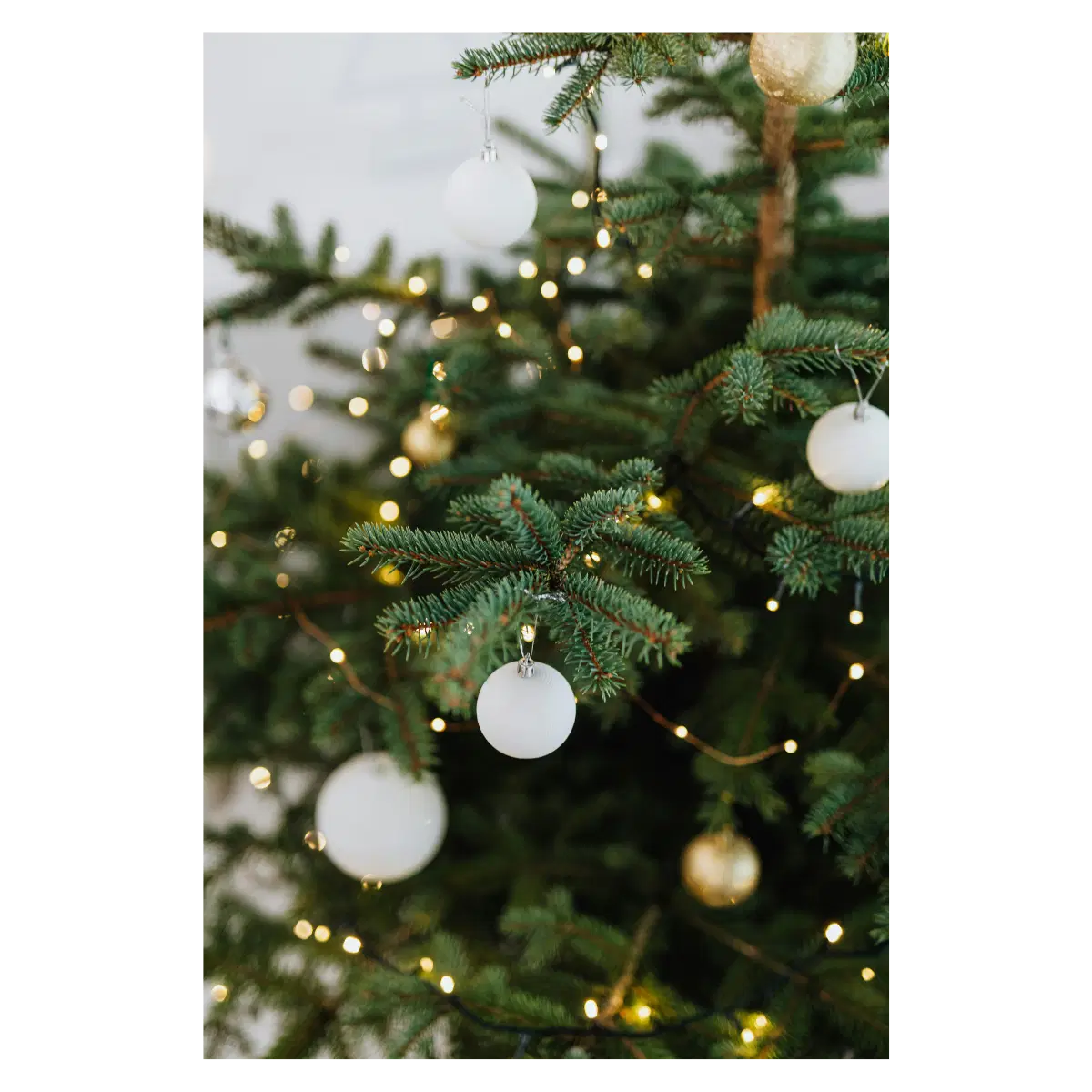
Maths students at the University of Sheffield have calculated how to decorate the perfect Christmas tree. Their calculations look like this: Length of tinsel in cm: (13 x pi) divided by 8, then multiply by tree hight in cm. Number of baubles: (17 x pi) then multiply by tree hight in cm. Length of lights in cm: pi multiplied by tree hight in cm. Height of star in cm: tree height in cm divided by 10. You’re welcome!
Snowflakes, Lights, and Seasonal Chemistry
Even snowflakes have a story. Each one is unique because of changing atmospheric conditions. Indoor air can also interact with Christmas lights and trees, releasing trace compounds, another fascinating example of the science behind Christmas in action.
White Christmas
If you’re dreaming of a snowy Christmas in the UK, the odds aren’t exactly in your favour. Statistically, according to the Met Office, widespread snow on Christmas Day has only happened four times since 1960.
The Physics of Santa’s Sleigh
Ever wondered how Santa delivers gifts to children all over the world in a single night? Scientists estimate his sleigh would need to travel at a staggering 4,705,882 km/h. That’s nowhere near the speed of light , but fast enough to turn Santa (and the presents) into… well, let’s just say it’s lucky he has a bit of magic on his side!
Scientific Reindeer Facts
Believe it or not, Santa’s reindeer, Dasher, Dancer, Prancer, Vixen, Comet, Cupid, Donner, Blitzen, and Rudolph are actually all female. Male reindeer shed their antlers after the mating season, which ends in early December. Only females keep their antlers throughout the winter… and no, Santa wouldn’t be castrating his reindeer, we hope!
So there you have it, a few festive science facts to add some sparkle to your holiday season. We hope you enjoyed discovering the science behind Christmas!