
Scientific exhibitions, conferences and networking events offer valuable opportunities to meet potential customers, reconnect with existing contacts and introduce your products or services. But getting the most from your investment takes more than turning up with a stand and a stack of business cards.
The work starts well before the doors open and continues after everyone has gone home. Whether you’re exhibiting or simply attending as a delegate, here is how to prepare your sales and marketing activity to give every opportunity the best chance of progressing.
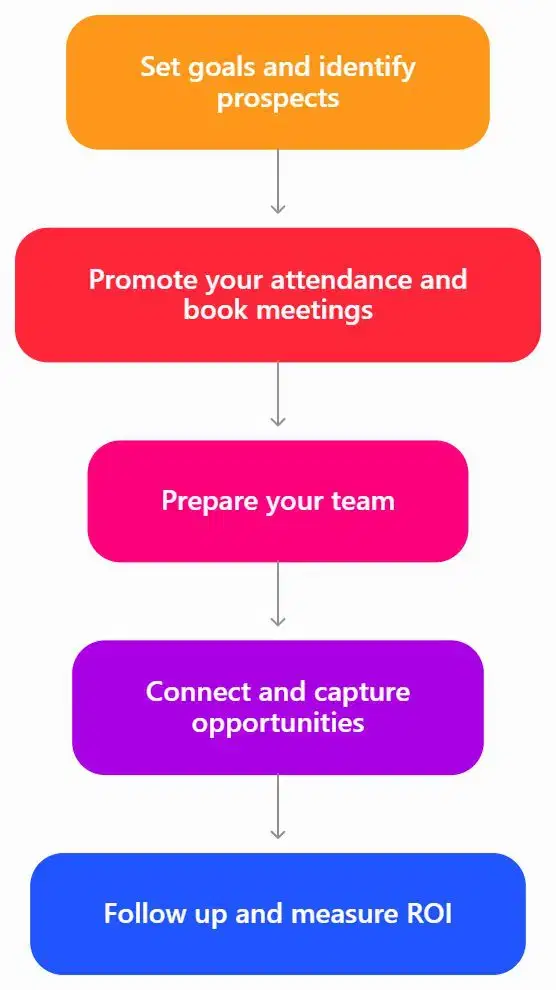
1. Decide what success looks like
First things first; before planning your campaign, establish what you want the event to achieve. Are you launching a product, looking for distributors, generating leads or building relationships and grow accounts with existing customers?
Set clear targets so your team knows where to focus. These might include:
- Appointments booked with target/existing accounts.
- Conversations with relevant decision-makers.
- Qualified leads generated.
- Demonstrations or sales meetings arranged after the event.
For scientific businesses with longer sales cycles, an immediate order may be unlikely. A meeting with the right person and an agreed next step can still represent meaningful progress.
2. Build a targeted prospect list
Start identifying who you want to meet several weeks before the event.
Use the organiser’s networking platform or attendee information where available and permitted, alongside exhibitor lists, speaker programmes, LinkedIn announcements and your own CRM. Distinguish between confirmed attendees and prospects whose attendance you still need to establish.
Focus on organisations and individuals that match your ideal customer profile. Consider their sector, application, job role and likely need for your offering.
Include existing customers, previous enquiries and opportunities that have gone quiet. An event can provide a useful reason to restart a conversation.
Prioritise your list so your team spends time securing the meetings most relevant to your objectives.
3. Run a campaign that gives people a reason to meet
4. Follow up by telephone
An unanswered email does not necessarily mean a prospect is uninterested. They may be busy, still arranging their diary or unsure whether the meeting would be useful.
Follow up with priority contacts by telephone to establish whether they are attending and explore whether there is a relevant reason to meet.
Use the call to understand their needs and tailor the invitation. A conversation about a specific challenge is more useful than simply asking whether they received your email.
If they cannot attend, there may still be an opportunity to arrange a separate call or demonstration.
As appointments are booked, send calendar invitations with clear meeting details and a reminder shortly before the event.
5. Prepare your team
Your team plays a central role in how people experience your business at an event. An attractive stand and interesting equipment may draw visitors in, but a friendly, approachable team will encourage them to stay and start a conversation.
Anyone who regularly attends exhibitions will recognise the stand where staff are absorbed in their laptops or phones while potential customers browse unnoticed. Make sure your team is ready to welcome visitors, show an interest in their work and ask questions without immediately launching into a sales pitch.
Before the event, brief everyone on:
- Your objectives: what you want to achieve and which prospects, accounts or applications to prioritise.
- Your messaging: the key products or services you are promoting, their benefits and how to explain them clearly.
- Individual responsibilities: who will welcome visitors, deliver demonstrations, handle technical questions and attend booked meetings.
- Conversation starters: open questions that help uncover a visitor’s challenges, interests and purchasing plans.
- Practical arrangements: stand cover, breaks, meeting schedules and how to hand a conversation over to a colleague.
Give everyone time to familiarise themselves with equipment, demonstrations and supporting materials. They should feel confident explaining your offering and know who to involve when a discussion requires more specialist knowledge.
Prepare the team to capture useful information, too. Agree a consistent way to record each contact’s requirements, the main points discussed and any promised actions. A badge scan alone will not provide enough context for a meaningful follow-up.
Before ending a promising conversation, encourage your team to agree a clear next step with the visitor, whether that is sending technical information, arranging a demonstration or booking a further meeting.
6. Plan your follow-up before the event starts
Once the event is over, everyday work quickly takes priority. Assigning follow-up responsibilities and reserving time in advance helps prevent valuable opportunities from being overlooked.
Prepare adaptable email templates and a simple process for adding contacts and notes to your CRM. Every lead and opportunity should have an owner, a next action and a follow-up date.
Prioritise contacts according to the conversation:
- Tier One - Immediate requirements: make personal contact promptly and deliver any promised quotation, information or meeting invitation.
- Tuer Two - Longer-term opportunities: send relevant information and agree when to reconnect.
- Tier Three - Early-stage interest: provide a useful resource and establish whether there is a reason for a further conversation.
Keep your follow-up specific. Refer to what the person discussed and explain how the next step will help them.
7. Combine email and telephone follow-up
One post-event email is rarely a complete follow-up process.
Use email to share the information promised, then follow up by telephone to answer questions, explore the requirement and agree a next step. Coordinate this activity so contacts receive a coherent conversation from your team.
Where someone does not respond, use a measured sequence of follow-ups with a relevant purpose. That might be sharing an application example, answering a question raised at the event or suggesting suitable dates for a demonstration.
Record the outcome, including when a contact is not ready to proceed or does not want further contact. This helps your team focus its time and keeps your pipeline realistic.
8. Measure what happened after the conversation
To understand the value of an event, look beyond visitor numbers and business cards collected.
Track appointments held, qualified leads, follow-up meetings, proposals and customers won. Record the event against relevant CRM opportunities so you can review progress over the following months.
When assessing financial return, include the full cost of participation: stand space, travel, accommodation, materials, campaign activity and staff time. Compare those costs with the gross profit from attributable business won, while reporting open pipeline separately.
This gives you a stronger basis for deciding which events to attend again and where to improve your approach.
Get more from your next event with Network Scientific
Preparing for an event takes time, especially when your team is already balancing sales activities with day-to-day activities.
Network Scientific supports scientific businesses with targeted prospect research, pre-event marketing campaigns, telephone outreach, appointment setting and event attendance. After the event, we can help follow up leads and opportunities by email and telephone, keeping conversations moving towards the next step.
Have an event coming up? Get in touch to discuss how we can help you fill your meeting diary and turn event conversations into sales opportunities.